
Skincare is often treated as a surface-level concern. However, skin is a living, absorptive organ. What you apply daily does not simply sit on the surface.
Over time, skincare ingredients penetrate the skin barrier and contribute to cumulative exposure that affects how you age, your hormones, inflammation, and your overall health.
While many products are marketed as “clean” or “non-toxic,” those labels often mask deeper issues. Understanding what actually makes skincare toxic is the first step toward choosing products that truly support healthy aging.
The 5 Most Common Toxic Skincare Ingredients to Avoid
1. Endocrine-Disrupting Chemicals
Endocrine disruptors are ingredients that interfere with the body’s hormone signaling, even at very low doses. Because hormones regulate collagen production, skin thickness, hydration, pigmentation, and repair, disruptions can become visible over time.
Common examples include:
- Parabens
- Phthalates
- Triclosan
These chemicals are often added to extend shelf life or enhance product performance, however, they can mimic or block natural hormones.
Over time, this interference may contribute to thinning skin, loss of elasticity, increased sensitivity, and accelerated signs of aging, particularly during midlife when hormone balance is already shifting.
2. Synthetic Fragrance
Synthetic fragrance is one of the most misleading ingredients in skincare because it is intentionally vague.
The single word fragrance can legally represent hundreds of undisclosed chemicals, many of which are known allergens or hormone disruptors.
These ingredients are protected as trade secrets, meaning brands are not required to disclose what you are actually applying to your skin.
For many people, fragrance is the hidden cause behind redness, irritation, headaches, or skin that suddenly becomes “reactive” with age. Even when irritation is not immediately visible, repeated exposure adds to the body’s overall chemical load.
3. PFAS (“Forever Chemicals”)
PFAS are synthetic chemicals used to improve texture, spreadability, and water resistance. They are often found in products marketed as long-lasting, smoothing, or waterproof.
What makes PFAS especially concerning is their persistence. These chemicals do not break down easily and can accumulate in the body with repeated exposure.
Applied daily through skincare and cosmetics, they add to long-term chemical burden and have been linked to hormone disruption, immune changes, and metabolic effects.
Because PFAS are not always clearly labeled, consumers may be exposed without realizing it.
4. Harsh Synthetic Preservatives
Preservatives are added to skincare to prevent microbial growth, particularly in water-based formulations. The issue is that many commonly used synthetic preservatives are inherently toxic, not merely irritating.
Examples to avoid include:
- Formaldehyde-releasing agents such as DMDM hydantoin and diazolidinyl urea. Formaldehyde is a known human carcinogen and is toxic with repeated exposure, even at low levels.
- Isothiazolinones, including methylisothiazolinone and methylchloroisothiazolinone, which are strongly linked to allergic reactions and toxicity concerns.
- Synthetic alcohol-based preservatives that degrade the skin barrier and increase toxin absorption.
Chronic exposure to these preservatives can accelerate skin aging, weaken the skin barrier, increase inflammation, and add to the body’s overall toxic load.
Because water-based skincare requires preservatives to remain stable, a direct way to reduce exposure is to avoid products where water is listed as the first ingredient and choose oil-based formulations instead.
5. Petroleum-Derived Ingredients
Petroleum-derived ingredients are commonly used in skincare to create a smooth texture, lock in moisture, and extend shelf life. While they can make skin feel temporarily soft, they do not nourish the skin or support long-term skin health.
Most common examples include:
- Petrolatum (petroleum jelly)
- Mineral oil (paraffinum liquidum)
- Paraffin
- Microcrystalline wax
- Synthetic silicones such as dimethicone, cyclopentasiloxane, and cyclohexasiloxane
Over time, reliance on petroleum-derived ingredients can interfere with the skin’s natural repair and detoxification processes, contribute to dullness and dependency, and limit the skin’s ability to respond to truly restorative ingredients.
They are often used in place of plant-based oils and butters that actively support barrier function, elasticity, and healthy aging.
3 Critical Considerations Most Brands Do Not Discuss
 1. Greenwashing in the Skincare Industry
One of the biggest challenges in skincare today is greenwashing. Words like clean, green, natural, pure, and non-toxic sound reassuring; however, they have no legal or regulatory definition in personal care.
This allows brands to:
- Use nature-inspired packaging and language without meeting safety standards
- Highlight a few plant ingredients while relying on synthetic fillers
- Claim “non-toxic” status without independent verification
As a result, consumers often believe they are making safer choices than they are because without third-party oversight, these labels are pure marketing, not an indication of real ingredient integrity.
2. Lack of Meaningful Regulation
In the United States, skincare products are regulated by the Food and Drug Administration as cosmetics, not as health products. This distinction has major implications for consumer safety, including:
- Most cosmetic ingredients do not require pre-market safety testing
- Many ingredients are approved based on outdated data
- Manufacturers are largely responsible for determining their own product safety
This means potentially harmful ingredients can remain in widespread use for decades.
Consumers are left to interpret complex labels and make health decisions without the protections that exist in other industries.
3. Cumulative Exposure Over Time
 Toxicity in skincare is rarely about a single product or one-time exposure. It is about daily use over years and decades.
A typical routine may include:
- Cleanser used twice daily
- Serums, moisturizers, sunscreen, and deodorant
- Makeup and body care products
Each application adds to the body’s overall chemical load. Even low-level exposure, when repeated consistently, can influence inflammation, hormone balance, skin aging, and overall resilience.
This cumulative effect is often overlooked and is one of the most important reasons ingredient quality truly matters.
What Makes Skincare Truly Non-Toxic
Now that you know what to avoid, the next question is obvious: What actually makes skincare safe and effective in the long term? The answer is not found in trendy labels or marketing language.
It’s found in verifiable standards, ingredient transparency, and how products are formulated from the ground up.
Many skincare products are sold under the assumption of safety, but because the skincare industry has been mostly “self-regulated” since 1938, many products are the market are not what they seem.
Marketing buzzwords like “clean”, “green”, and “wild-crafted” have no regulatory definition, meaning these claims can be made without meeting objective standards.
Truly non-toxic skincare is defined by third-party verification, not trendy marketing.
Independent certification requires ingredient disclosure, strict formulation rules, and ongoing oversight, removing guesswork and greenwashing from the equation.
This is why USDA Certified Organic stands apart as the gold standard. The USDA Organic seal verifies that:
- Ingredients are grown without synthetic pesticides, herbicides, or GMOs
- Formulas exclude synthetic fragrance, harsh preservatives, and petroleum-derived fillers
- Every stage, from sourcing to final product, is independently inspected
This level of verification matters because skincare is used daily, often for decades. Small differences in formulation compounded over time can influence skin aging, inflammation, and overall toxic burden.
At its core, truly non-toxic skincare prioritizes transparency, biological compatibility, and long-term skin health over quick cosmetic results.

Nature’s Most Effective Alternative Ingredients (to Look For Instead)
Once you understand what makes skincare toxic, the next step is knowing what actually works without compromising long-term health.
The good news is that nature offers highly effective ingredients that do not rely on harsh synthetic chemicals to force results. When properly sourced and formulated, these botanicals support the skin’s natural biology rather than overriding it.
Instead of harsh actives, petroleum fillers, or hormone-disrupting chemicals, truly non-toxic skincare relies on plant compounds that the skin recognizes, responds to, and benefits from over time.
1. Maple Leaf Extract
 What it replaces:
- Synthetic firming agents and invasive injections
- Elastin-degrading anti-aging actives
Why it works so well:
Maple leaf extract is exceptionally rich in antioxidants and bioactive compounds that help protect elastin, one of the key proteins responsible for skin firmness and resilience.
Unlike aggressive firming agents that create short-term tightening while stressing the skin, maple leaf extract works by supporting the skin’s underlying structure.
This makes it especially suited for aging skin, where elastin breakdown contributes to sagging, crepiness, and loss of definition.
2. Bakuchiol (Babchi Seed Oil)
What it replaces:
- Retinol
- Retinoids and vitamin A derivatives
Why it works so well:
Bakuchiol delivers many of the same visible benefits associated with retinol, including improved texture, smoother appearance, and support for collagen production, without the irritation commonly associated with retinoids.
Where retinol can thin the skin barrier and increase sensitivity over time, bakuchiol works in harmony with the skin, making it better suited for long-term use, especially as skin becomes drier and more reactive with age.
It supports renewal without triggering inflammation, which is a key driver of accelerated aging.
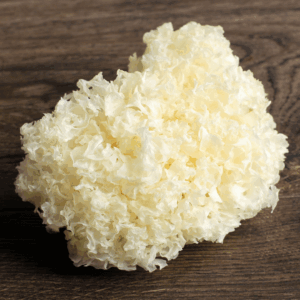
3. Tremella Mushroom
 What it replaces:
- Synthetic humectants like hyaluronic acid
- Artificial plumping agents
Why it works so well:
Tremella mushroom is prized for its ability to bind water and support deep, lasting hydration.
It helps attract and hold moisture within the skin, creating a plumper, more resilient appearance without relying on synthetic fillers.
Unlike many artificial plumping agents that create surface-level effects, tremella supports hydration at a functional level.
This makes it especially valuable for skin that feels tight, dull, or depleted, which often occurs with age or overexposure to harsh skincare products.
4. Mango Seed Butter
What it replaces:
- Petrolatum
- Mineral oil
- Synthetic occlusives
Why it works so well:
Mango seed butter is rich in fatty acids and antioxidants that nourish the skin barrier while locking in moisture.
Unlike petroleum-based hydrators that simply coat the skin, mango seed butter feeds the skin with nutrients it can actually use.
This helps restore barrier integrity, improve softness, and support elasticity over time.
It also allows the skin to breathe and function normally, rather than becoming dependent on artificial coatings that provide only temporary relief and no long-term benefit.
5. Camu Camu Fruit Extract
 What it replaces:
- Synthetic vitamin C derivatives
- Stabilized chemical brighteners
Why it works so well:
Camu camu is one of the richest natural sources of vitamin C on the planet, a nutrient essential for collagen production, brightness, and antioxidant protection.
In whole-plant form, vitamin C is accompanied by naturally occurring compounds that enhance absorption and effectiveness.
Unlike synthetic vitamin C derivatives that can be unstable or irritating, camu camu supports gradual, sustained improvement in skin tone and resilience.
It helps protect against oxidative stress while promoting a healthy, luminous appearance that improves with consistent use.
A Safer, Non-Toxic Path to Visibly Firmer, Younger-Looking Skin: Purity Woods
 Understanding what makes skincare toxic is only the first step. The real impact comes from choosing products that consistently reflect
high standards: ingredient transparency, biological compatibility, and meaningful third-party verification.
That approach is what guides every formula at Purity Woods.
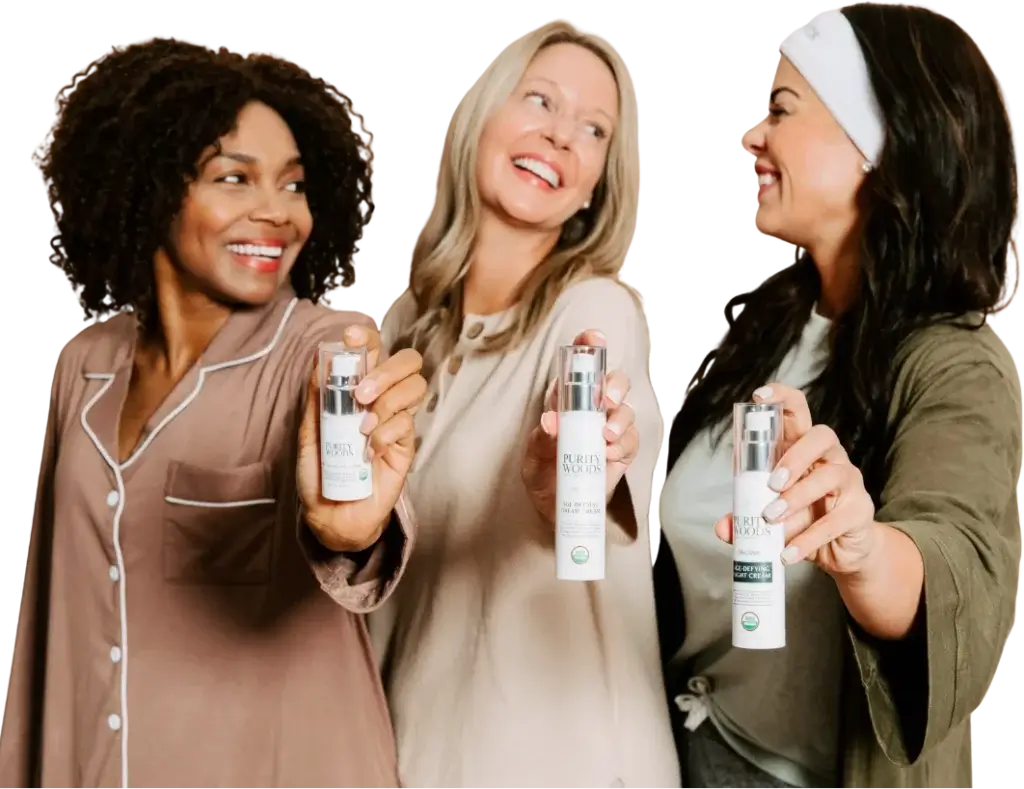
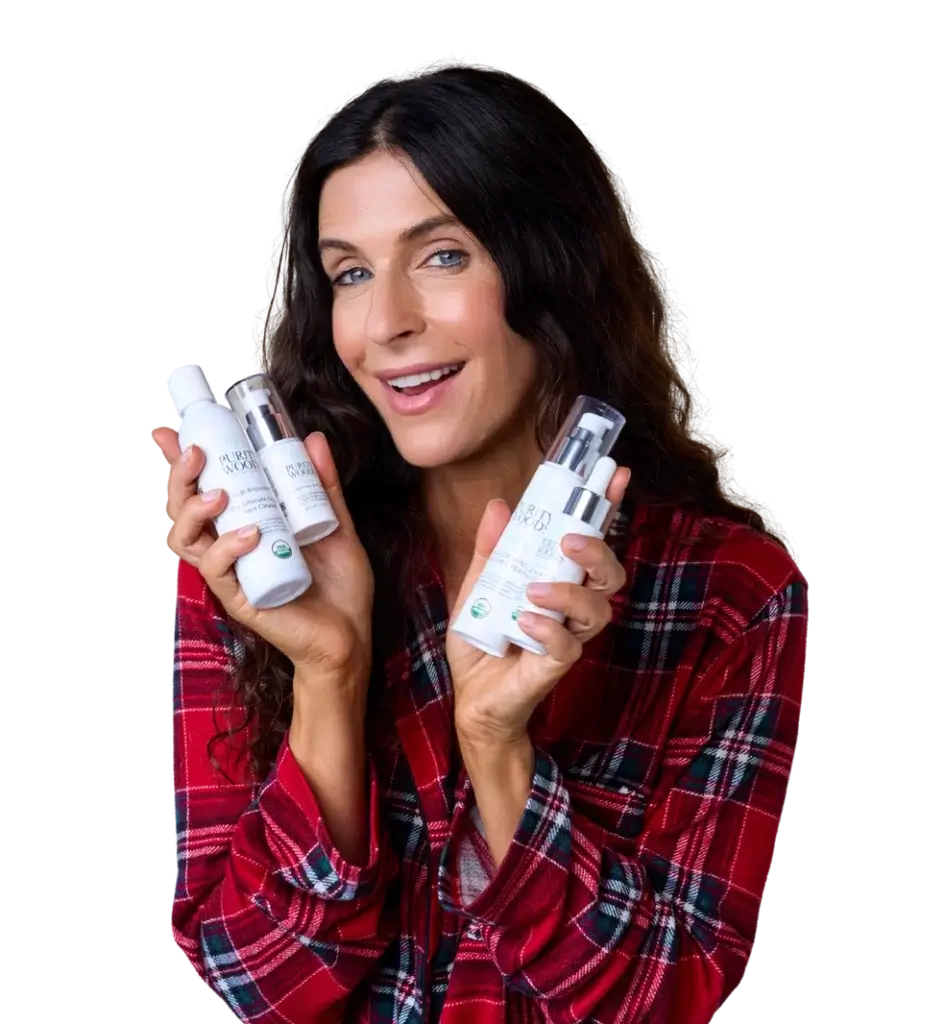
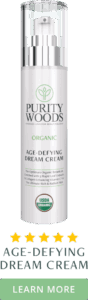
The Age-Defying Dream Cream was created to nourish aging skin without relying on water-heavy formulas or harsh synthetic preservatives. Its oil-based foundation supports the skin barrier while delivering botanicals highlighted in this article, including maple leaf extract to help protect elastin, tremella mushroom for sustained hydration, mango seed butter to nourish without petroleum-derived occlusives, and camu camu fruit extract to support brightness and collagen integrity through whole-food vitamin C.
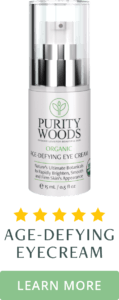
The Age-Defying Eye Cream applies the same philosophy to the most delicate skin on the face. It features bakuchiol, a plant-based alternative to retinol, chosen to support smoothness and collagen renewal without irritation or barrier disruption. Like all Purity Woods formulas, it is free from synthetic fragrance and petroleum-derived fillers.
The Elastin Boost Hyper Lift Serum is designed to support firmness without aggressive synthetic tightening agents. Centered on maple leaf extract, it focuses on preserving elastin and supporting skin structure over time, aligning with a long-term approach to healthy aging rather than short-term cosmetic effects.
Each of these formulas is USDA Certified Organic, the gold standard for non-toxic certification. That certification ensures ingredient integrity from sourcing through formulation, offering a tangible example of what truly non-toxic skincare looks like when it is held to the highest standards.
Conclusion
Skincare should support your body, not burden it.
By understanding which ingredients quietly contribute to toxicity and choosing formulations built on verified standards and biologically compatible botanicals, you reduce cumulative exposure and support healthier skin aging over time.
Truly non-toxic skincare is not about chasing trends
It’s about making informed, long-term choices that respect both your skin and your overall health.